
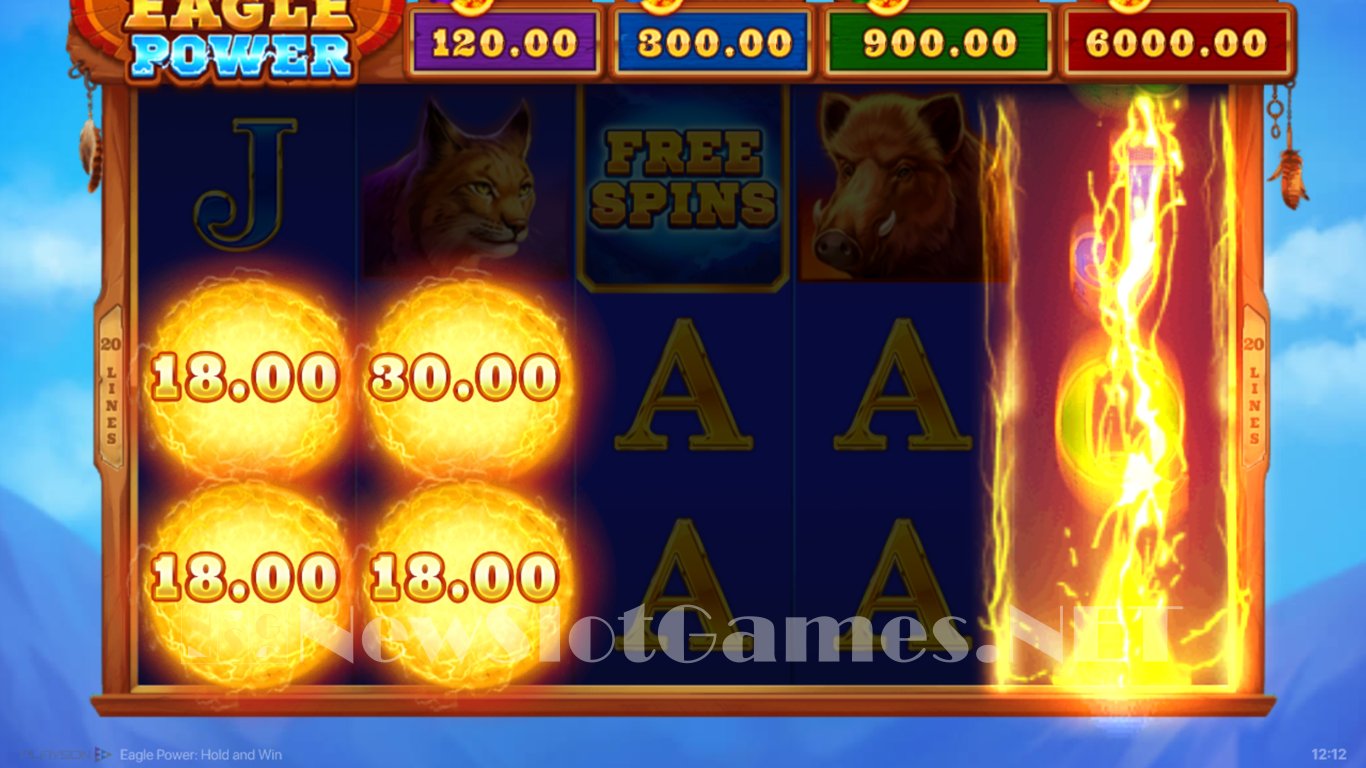
The universe of Hold and Win games has mesmerized players globally with its characteristic blend of base game action and the exhilarating bonus hold feature holdandwin.eu. Underneath the flashing lights and dramatic sound effects lies a carefully designed mathematical engine that governs every outcome. Grasping the real payout distribution in these titles goes past guesswork into a sphere of verified statistics and game design principles that shape the player experience.
The Essential Mechanics Behind Prize Distribution
Every Hold and Win game operates on a fundamental mathematical model where the total return to player is split between the main game and the bonus feature. The base game commonly delivers consistent but smaller wins that keep the bankroll ticking over during regular spins. These micro-payouts are essential for maintaining engagement and providing the rhythm that players notice instantly across different titles in the genre.
The bonus feature, triggered by landing a specific number of scatter symbols, acts as the principal vehicle for delivering the game’s headline potential. During this phase, the payout distribution shifts markedly, with a higher concentration of the overall RTP allocated to the hold and respin mechanic. Game designers meticulously calibrate this split to ensure that the base game remains viable while the bonus round carries the weight of life-changing jackpot possibilities.
Real data from extensive simulation runs shows that the base game contribution often hovers between thirty and fifty percent of the total theoretical return. The remaining portion is funneled into the bonus feature, where it is distributed across the various prize tiers available on the special symbols. This allocation strategy creates a built-in tension between regular play sessions and the anticipation of entering the feature, a balance that studios refine continuously based on player behavior analytics.
The computational architecture relies on multiple essential components that work in concert to deliver the targeted experience. Comprehending these elements gives clarity on how payouts manifest during live gameplay sessions:
- Base game hit frequency, commonly ranging from twenty to 35 percent of spins, provides regular positive reinforcement through minor wins and scatter teases.
- Special round probability, calibrated between 1 in 80 and 1 in 200 spins depending on volatility, governs the rhythm of feature entry.
- Symbol weighting tables during the bonus round set exact probabilities to each cash value and jackpot tier, influencing the feature payout curve.
- Contribution rates funnel a fixed percentage of all wager into incremental or fixed jackpot pools, growing prize values reliably over time.
- Payout ceilings, commonly expressed as multipliers of the total bet, act as mathematical guardrails that protect the game’s long-term economic viability.
Jackpot Contribution Rates and Initiating Mechanics
Set jackpots in Hold and Win games constitute a intriguing element of payout distribution, as they operate on contribution rates that gather from every spin across the network or standalone instance. A portion of each wager, typically between one and three percent, moves into the jackpot pools, progressively building the prize amounts that are displayed on the special symbols during the bonus feature. This contribution mechanism secures that jackpots increase predictably while keeping the game’s core payout structure.
The trigger mechanics for these jackpots differ significantly across different titles, with some demanding a specific symbol to land during the hold feature and others calling for a full screen of matching special symbols. Real data analysis reveals that the probability of triggering each jackpot tier is oppositely proportional to its value, establishing a natural hierarchy where the Mini and Minor prizes land with reasonable regularity while the Grand or Mega tiers continue to be elusive.
Progressive jackpot systems add another layer to the payout distribution, as the growing prize pools can temporarily distort the effective RTP for players who activate them at elevated levels. When a progressive jackpot has expanded significantly beyond its seed value, the expected return for that particular moment increases, though this advantage is spread across all players contributing to the pool. This dynamic creates interesting strategic considerations for those who follow jackpot levels across multiple titles.
The contribution rates are calibrated to ensure that even the highest jackpot tiers continue to be mathematically sustainable over the long term. Game designers perform extensive simulations that account for worst-case scenarios, verifying that a run of early jackpot hits would not disrupt the game’s economic model. The real data from live operations consistently validates these simulations, with jackpot hit rates corresponding closely with the predicted frequencies across thousands of bonus activations.
Session Length Analysis and Frequency of Payouts
The connection between session length and realized payout distribution is one of the most practical considerations for those involved with Hold and Win games. Short sessions of a few hundred spins subject players to high variance, where the real returns can vary substantially from the theoretical RTP. Real data shows that these brief encounters often end either well above or well below the expected return, as the sample size is not enough for the law of large numbers to take effect.
Medium-length sessions spanning a thousand to several thousand spins gradually reduce the extreme fluctuations, with the payout distribution starting to resemble the designed curves more closely. The frequency of bonus triggers during these sessions becomes a crucial aspect, as a run of lucky bonus rounds can dramatically boost the overall return while a drought can have the opposite effect. This middle ground is where most regular players engage, experiencing the game’s volatility in its most noticeable way.
Extended play data gathered from thousands of sessions across multiple titles demonstrates that the true character of a game’s payout distribution only shows itself completely over tens of thousands of spins. At this scale, the bonus frequency, average feature payout, and base game contribution all approach their designed values. The jackpot hit rate, even for the smaller tiers, aligns with the mathematical expectations, providing a full view of the game’s long-term behavior.
Understanding this temporal dimension of payout distribution helps set realistic expectations for any playing session. The data confirms that chasing a specific outcome within a short timeframe introduces significant randomness, while patience and volume steer results toward the game’s inherent mathematical properties. This insight is invaluable for anyone seeking to play Hold and Win titles with a solid grasp of the timeframe required for the statistics to unfold as designed.
Distribution of Symbol Values in the Bonus Round
When the hold function triggers, the screen fills with special symbols that hold personal cash amounts or jackpot tags. The arrangement of these values follows a carefully weighted table that ensures no two bonus rounds are the same. Lower value symbols appear with a notably higher rate, creating a consistent base of returns that prevents the feature from seeming barren even during less fortunate activations.
Intermediate values occupy the key middle area in the payment range, appearing frequently enough to produce thrill without depleting the game’s reward pool too rapidly. These symbols represent the sweet spot of the distribution curve, where players enjoy significant wins that confirm the choice to carry on playing. The occurrence of these mid-tier rewards is precisely engineered to preserve the psychological momentum that ensures the reels rotating.
Premium symbols and jackpot tags are positioned at the extreme end of the arrangement, appearing with deliberate scarcity that ensures each appearance genuinely thrilling. The true statistics shows that these high-end rewards might occur in less than one in many hundreds bonus activations, based on the game and its variance settings. This scarcity is not a shortcoming but a intentional design decision that generates the asymmetric payout potential players actively seek in Hold and Win games.
The allocation curve across all symbol values typically follows a exponential pattern rather than a normal distribution. This indicates that the rate of symbol values declines steeply as the reward value increases, creating the long tail of top-tier results that shapes the type’s allure. Developers study countless of simulated bonus rounds to verify that this distribution delivers the desired user experience while upholding the numerical accuracy of the published RTP.
Variance Patterns and Their Impact on Actual Payouts
Volatility serves as the hidden force that defines every payout distribution in Hold and Win games, controlling how returns are structured and delivered over time. High volatility titles channel a bigger part of the payout potential into infrequent but significant events, producing long stretches of subpar payouts interrupted by dramatic spikes. This profile appeals to players who embrace the compromise of lengthy downturns for the chance at genuinely transformative wins.

Balanced risk configurations achieve a more even strategy, spreading payouts more consistently across the session timeline while still holding significant possibility for the bonus feature. Actual statistics from these games demonstrates a more stable performance line with less dramatic fluctuations, rendering them suitable for players who favor a more predictable rhythm. The bonus frequency is generally more frequent in these titles, though the average feature payout drops to maintain the overall mathematical balance.
Low variance Hold and Win games focus on regular rewarding feedback through regular base game hits and easier bonus activations. The payout distribution in these titles exhibits a clustering of returns around the lesser part of the spectrum, with the jackpot potential frequently lowered or limited to accommodate the gentler variance. Although these titles could be without the attention-getting top payouts, they shine in delivering long gaming periods with steady enjoyment.
The choice of volatility profile fundamentally alters how the identical expected return is perceived in practice. A pair of titles with the same payout rates can produce completely distinct session experiences based on their volatility settings, a fact that highlights the significance of understanding payout distribution past basic totals. Savvy gamblers use this knowledge to align their game selection with their individual risk appetite and playing time goals.
Contrasting Payout Structures Throughout Popular Titles
The Hold and Win genre encompasses a diverse range of titles, each with its own take of the core payout distribution model. Some games highlight the base game experience, allocating a higher percentage of the RTP to regular spin combinations and lowering the bonus feature’s relative contribution. This approach creates a more steady base game rhythm but often caps the maximum win potential at more modest levels compared to bonus-heavy designs.
Other titles direct the majority of their payout potential into the hold feature, forming a stark contrast between the base game and bonus round returns. These games typically offer lower base game hit rates but balance with bonus rounds that can deliver substantially larger average payouts. The real data from these titles reveals that the bonus feature becomes the central element of the session outcome, with the base game serving primarily as a mechanism to reach the feature trigger.
The number of special symbols available during the bonus round also differs significantly across titles, directly influencing the payout distribution within the feature itself. Games with fewer symbol positions focus the prize values more tightly, while those with expanded grids can spread the same total RTP across more individual symbols. This design choice influences both the visual experience of the bonus round and the mathematical probability of achieving specific payout thresholds.
Some studios have incorporated innovative twists on the standard model, including features like symbol collection, multiplier boosts, or retrigger mechanics that add new aspects to the payout distribution. These enhancements can shift the distribution curve in subtle but significant ways, creating unique gameplay experiences while still functioning within the fundamental mathematical framework that defines the genre. The variety ensures that players can find titles whose specific payout structures match with their individual preferences.
Deciphering Real Data for Strategic Game Selection
Accessing and interpreting real payout data empowers players to move beyond marketing claims and choose based on statistical reality. The key metrics to examine include the overall RTP, the hit frequency of the base game, the average bonus trigger rate, and the distribution of feature payouts across different tiers. These figures, when present from verified sources or game information screens, offer a comprehensive view of what to look for over extended play sessions.
The maximum win figure advertised for a game reveals only a small part of the story, as it is an extreme outlier in the payout distribution rather than a realistic target. Far more valuable are the probabilities linked to achieving various multiplier thresholds, which reveal the true shape of the distribution curve. A game promoting a ten-thousand-times max win might appear appealing, but if the probability of reaching even a hundred-times multiplier is vanishingly small, the practical experience varies significantly from the headline figure.
Bonus buy options, where offered, give a direct window into the expected value of the feature round by showing a fixed price to enter the bonus immediately. The relationship between the buy cost and the average feature payout indicates the mathematical expectation inherent in the bonus round. Real data shows that bonus buys typically carry a slight premium over the natural trigger rate, reflecting the value of certainty and immediate access that the option delivers to players.
The most effective approach combines an understanding of payout distribution data with personal preferences about session length, budget, and entertainment priorities. A game with a stellar RTP but extreme volatility might suit a player seeking big win potential, while another with a more balanced distribution could more suitably serve someone focusing on extended play time. The data stands to guide these decisions, transforming game selection from a matter of chance into a calculated choice consistent with individual goals.