

If you are reading this, you or a loved one is likely in a tough spot, feeling the pull of a Slot Fishin Frenzy Progressive Jackpots like Fishin Frenzy Slot while also knowing you need support. That distance between recognizing the problem and finding support can feel isolating. It grows even tougher when you run into waitlists. Seeking this guidance is a bold and significant step. I’ll guide you through how addiction support functions in Canada, not as some distant expert, but as someone who understands how overwhelming the system can be. We’ll examine closely the reality of counseling wait times, go over things you can do today, and map out paths to long-term recovery. We’ll keep the real-world side of getting help in Canada in plain sight. My goal is to offer you knowledge and real steps you can follow, so that being on a waiting list feels less like feeling trapped and more like a time of active preparation.
Understanding Problem Gambling and Online Slots
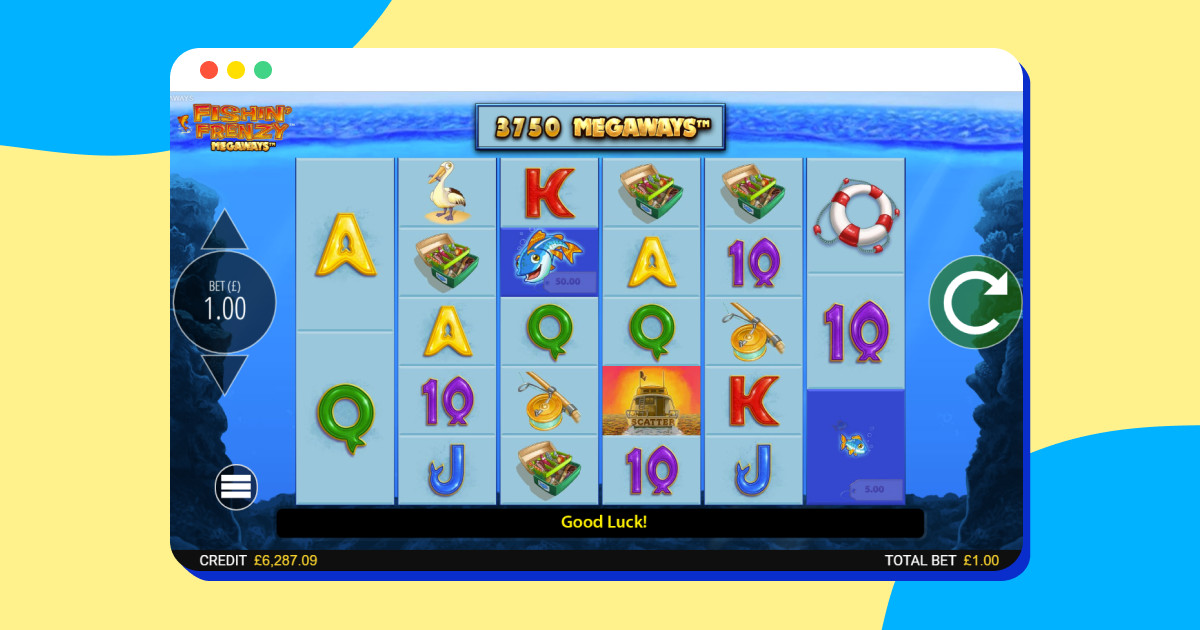
First, let’s be straightforward about what this is. Problem gambling isn’t a simple lack of willpower. It’s a acknowledged behavioral addiction where the drive to gamble becomes compulsive and destructive, even as it causes harm. Games like Fishin Frenzy Slot are built to lure you in. They use vivid colors, straightforward gameplay, and the possibility for quick, repeated spins. Those occasional wins combined in with many losses spark a dopamine hit in your brain, which reinforces the behavior. This can begin a cycle where you’re not playing for fun anymore. You might be running after losses, trying to flee stress, or searching for that brief rush of excitement. This is a significant issue in Canada, touching people and families from all walks of life. Identifying the signs in yourself is key. Do you dwell about gambling all the time? Do you require to bet more money to feel the same thrill? Have you misled about your gambling or felt agitated when you tried to stop? Observing these patterns is the essential first step that guides you to seek for counseling and support.
The purpose of Online and Telemedicine Therapy
Internet-based and telemedicine support has changed the game for recovery assistance in Canada. This is particularly relevant for individuals in rural regions or facing long waitlists. These services let you connect with a qualified counselor using secure video, phone, or text. Private platforms like BetterHelp, Talkspace, or Maple may have addiction specialists, but you cover the cost yourself. More relevant, many provincial health services now offer virtual care. Ontario’s Structured Psychotherapy Program, for example, offers virtual cognitive-behavioral therapy for different conditions, which can include problem gambling. The strengths are clear. You reduce travel expenses, you can typically book appointments more quickly, and you might find a expert you wouldn’t find locally. Just make sure any platform you choose follows Canadian privacy laws (PIPEDA) and that the therapist is licensed to practice in your province. Telemedicine can be a valuable stopgap or even a permanent option, providing proven therapy right in your house.
The Truth About Counseling Wait Times in Canada
One of the hardest parts of deciding to get help can be the waitlist. Let’s face it. In numerous Canadian regions, wait times for publicly funded addiction counseling are long. Expect delays of weeks to months. This happens because demand is high, specialized resources are limited, and healthcare funding varies from region to region. It feels like a cruel joke. You gather the courage to ask for help, only to be put on hold. This waiting period can be risky. Feelings of frustration or hopelessness might make a relapse more likely. However, understanding the reasons behind these delays is important. It doesn’t mean your urgent need is being ignored. It’s a system-wide problem. The trick is to not see this time as empty or passive. Instead, consider it a chance to engage with other resources, which I’ll explain next. Your recovery journey starts the moment you choose to change, not the day you first see a therapist.
What causes waitlists
Waitlists primarily reflect a gap between available resources and need. There are more people seeking specialized, usually subsidized, therapy than there are therapists qualified in gambling addiction. Provincial health authorities prioritize cases classified as critical, and the criteria for a gambling «emergency» is typically stringent. Moreover, resources for behavioral addictions like gambling have typically been more limited than for substance addictions, though that trend is now reversing. Geographic location plays a major role. Metropolitan regions usually provide more services than small towns. Finally, the intake process itself takes time. Programs strive to connect you with the counselor who best matches your individual needs. While this pairing can be annoying, it’s designed to deliver the highest quality care in the long run.
Economic and Regulatory Protections to Enact Now
The most concrete damage from problem gambling is often financial. That’s why putting legal and financial safeguards in place is a step you cannot overlook. Start by obtaining a copy of your credit report so you understand exactly what you owe. Talk to your bank and credit card companies. You are able to ask them to limit cash advances, set lower daily withdrawal limits, or block payments to known gambling merchant codes. Contemplate designating a trusted relative as a financial power of attorney, granting them control over your accounts for a set time. On the legal side, you can use self-exclusion contracts with gambling providers in Canada. While utilizing them to recover losses in court is complicated, they work as a critical behavioral block. If you have shared debts or assets, conducting an honest talk with the people involved is tough but necessary. It may avert bigger legal problems later. Speaking with a non-profit credit counseling service, like Credit Canada, can assist you build a debt management plan. These steps are hard, but they can be empowering. They safeguard your future and lay the stable ground your recovery needs to grow.
Immediate Support Methods As You Wait
Your recovery can’t pause just because you’re on a waitlist for formal counseling. This is the time to develop your own toolkit with techniques you can use right away. Start with self-exclusion. In Canada, you can self-exclude from specific online casinos like the one hosting Fishin Frenzy Slot. You can also use provincial programs like Ontario’s PlaySmart or BC’s Responsible Gambling Program. These limit your access to licensed sites and physical casinos, creating a necessary barrier. Next, use the 24/7 helplines. They aren’t just for emergencies. You can call to discuss a craving or just to hear a friendly voice that understands.
- Contact a National or Provincial Helpline: Call the Canada-wide Problem Gambling Helpline at 1-888-230-3505. It’s confidential and they can offer referrals. Provincial lines offer the same service but with local knowledge.
- Use Financial Controls: Transfer control of your finances to someone you trust. Utilize prepaid cards with strict limits, or activate online banking blocks to stop transactions to gambling sites.
- Participate in a Peer Support Group: Go to a Gamblers Anonymous meeting, online or in person. Listening to other stories and sharing your own offers real relief and fosters accountability.
- Apply Mindfulness and Distraction: Keep a «distraction list» ready for when an urge hits. Go for a walk, call a friend, focus on a hobby. Simple mindfulness can help you notice the craving without having to act on it.
Measures like these help you regain a sense of control. They show to you that you can handle this waiting period.
Establishing Your Individual Support Network
Professional help is a vital part of recovery, but your personal support network is the cornerstone that holds everything steady. While waiting for counseling, focus on building this network. This doesn’t mean telling everyone your business. It means carefully selecting a few trusted people—a partner, a family member, a close friend—and opening up to them. Be specific about how they can help. Maybe you need an accountability partner for daily check-ins. Maybe you need someone to keep some extra cash for you. Or maybe you just need a person to call when you feel alone. At the same time, consider stepping back from social circles or online groups where gambling is a normal topic. Search for recovery-focused communities instead, like Gamblers Anonymous or online recovery forums. Building this network diminishes shame, establishes practical safeguards, and reminds you that you aren’t alone. It converts the idea of support into something concrete you can experience every day.
Complimentary and Low-Cost Assistance Programs Accessible Across Canada
Canada has a network of free and low-cost services for problem gambling. Using them is critical while you wait for one-on-one counseling. A good starting point is the Canadian Centre on Substance Use and Addiction (CCSA) website. It offers resources and links to provincial services. Each province and territory has a responsible gambling organization. Think of ConnexOntario, Alberta’s Addiction Helpline, or BC’s Responsible & Problem Gambling Program. These agencies provide free, confidential details and referrals. Some even offer short tele-counseling sessions. Many provide free online tools like moderated forums, educational courses, and self-assessment tests. Don’t overlook community health centers either. They often have addictions counselors on staff or can point you to someone, sometimes with shorter waits than specialized clinics. Also, look into your workplace. Some employee assistance programs offer counseling sessions for gambling addiction. Exploring all these avenues can often get you to professional guidance faster than waiting on one single referral.
Extended Healing Routes Post Therapy
Structured treatment is a potent foundation, but ongoing rehabilitation is a path that carries on well beyond therapy ends. Post therapy, your objective is to integrate the tools you learned into your everyday life. That often involves some form of continual maintenance. You may go to periodic «booster» therapy appointments or remain active in a peer group like GA for extended periods. Finding new interests and group events that provide you meaning and belonging is critical. They take up the void that gaming used to fill. Maintaining financial accountability, perhaps with some lasting systems in place, continues to be important. You’ll additionally get better at recognizing your personal triggers—stress, solitude, certain places—and applying healthier ways to cope. Keep in mind, relapse might be an aspect of the experience. It does not mean you faltered. It’s a signal to turn again to your support network and adjust your strategy. Enduring recovery is about building a robust, satisfying life where gambling doesn’t have a central or damaging role at all.
FAQ
What’s the first action I need to do if I think I have a problem gambling with games like Fishin Frenzy Slot?
The very first step is to recognize the problem to yourself, without beating yourself up. Instantly create a block. Self-exclude from that exact gambling site and from your province’s online gambling platform. Next, dial a help number. The national Problem Gambling Helpline at 1-888-230-3505 is a reliable resource. The person on the other end will offer confidential support and can point you to local support groups. They assist in navigating the early bewilderment and develop a course of action.
Are waiting lists for gambling counseling shorter for self-funded options in Canada?
Usually, yes. Private practitioners or counseling centers for which you pay upfront usually offer expedited appointments. You could secure a session within a couple weeks, compared to months for publicly funded programs. Cost is a hurdle, but some therapists use a sliding scale based on your income. Also, check your work health benefits. Your EAP or comprehensive health plan might cover sessions with a registered social worker or psychologist who knows about addiction.
Is it possible to find support for a loved one’s gambling issue in Canada?
Of course you can. Assistance groups like Gam-Anon are specifically designed for family and friends impacted by a loved one’s gambling. State helplines also provide advice on how to talk to your loved one, define healthy boundaries, and protect your own mental health. You can learn about intervention strategies and receive referrals for family counseling. This is important, as gambling addiction impacts the entire family.
How does Gamblers Anonymous (GA) differ from professional counseling?
GA is a free, peer-led group based on a 12-step model. It offers fellowship, shared experiences, and continuous peer support. Professional therapy is one-on-one or group therapy with a trained clinician. They utilize evidence-based methods, like cognitive-behavioral therapy, to work on the core cognitions, actions, and triggers. They work well in combination. Numerous individuals rely on GA for ongoing community and camaraderie, while using counseling for formal clinical interventions.
How effective are online self-exclusion tools for sites like Fishin Frenzy Slot?
They are a critical and helpful first step, but they are not a magic fix. When you self-exclude through a proper provincial program, licensed operators like the one running Fishin Frenzy Slot must legally block your account and stop sending you ads. But if someone is determined, they might try to find unregulated offshore sites. So self-exclusion works best when you combine it with other financial controls and personal accountability measures. It should be one part of a bigger plan.
Should I relapse after starting counseling, does that indicate the treatment failed?
Not at all, a relapse does not mean failure. Changing behavior is almost never a straight line. In addiction treatment, a relapse is often seen as a chance to learn. It can show you triggers you missed or needs you haven’t addressed. What matters is what you do next. Contact your counselor or your support network right away. Look at what led to the relapse without shame, and then adjust your strategies. Sticking with it and being kind to yourself after a setback are key parts of making recovery last.